
Achieving a healthy, radiant complexion requires consistency and barrier-friendly habits rather than a complex multi-step routine or social media trends. In pursuit of flawless skin, many people inadvertently adopt habits that disrupt their skin barrier, trigger chronic inflammation, and worsen persistent dermatological issues.
Recognizing and correcting these common daily mistakes allows your skin’s natural healing mechanisms to flourish, restoring long-term clarity, hydration, and resilience.
1. Over-Cleansing and Stripping the Acid Mantle

Cleansing removes pollutants, excess sebum, dead skin cells, and makeup. However, washing too frequently or using harsh, high-pH soaps strips the skin’s acid mantle the protective film composed of natural oils, amino acids, and beneficial microflora.
When this lipid barrier is stripped, oil glands produce excess sebum to compensate, resulting in skin that is paradoxically both oily and dehydrated.
How to Protect Your Barrier:
-
Limit Cleansing: Wash your face no more than twice daily once in the morning and once at night.
-
Choose Gentle Formulas: Use sulfate-free, pH-balanced cleansers that leave skin soft and calm rather than tight or squeaky clean.
-
Match Your Skin Type:
-
Dry & Sensitive Skin: Benefit most from cream-based or lotion cleansers.
-
Oily Skin: Thrives with gentle gel-based formulations.
-
-
Avoid Irritants: Steer clear of physical scrubs with coarse particles and drying alcohols that cause microscopic tears.
Barrier Damage Check: If your skin feels tight, looks unnaturally shiny without oil, or stings upon applying gentle moisturizers, your moisture barrier is compromised. Switch immediately to a hydrating, non-foaming cleanser.
2. Over-Exfoliating with Actives
While exfoliation clears dead surface cells and brightens the complexion, over-exfoliation is one of the quickest ways to cause severe inflammation and barrier breakdown.
Physical vs. Chemical Exfoliation
-
Physical Scrubs: Jagged particles create micro-tears in the stratum corneum, inviting bacterial infection.
-
Chemical Actives: Layering alpha-hydroxy acids (AHAs), beta-hydroxy acids (BHAs), and retinoids simultaneously can burn delicate epidermal layers, causing peeling, redness, and hyperpigmentation.
| Exfoliant Type | Primary Function | Ideal Target |
| AHAs (e.g., Glycolic Acid) | Works on the skin’s surface to shed dead cells | Dullness, surface texture |
| BHAs (e.g., Salicylic Acid) | Penetrates deep inside oily pores to clear blockage | Blackheads, active breakouts |
Safe Exfoliation Rules:
-
Limit exfoliation to 1–3 times per week, depending on skin tolerance.
-
Stagger chemical acids and retinoids on different nights to avoid cumulative barrier overload.
-
If skin becomes raw or inflamed, pause all active ingredients immediately and apply rich ceramide creams, hyaluronic acid, and panthenol to repair the barrier.
3. Skipping Daily Sunscreen
Failing to apply broad-spectrum sunscreen daily is the single biggest contributor to long-term skin damage. Ultraviolet radiation penetrates clouds, glass windows, and shade year-round.
-
UVA Rays: Penetrate deep into the dermis, breaking down collagen and elastin, leading to premature wrinkles, sagging, and dark spots.
-
UVB Rays: Cause sunburns and direct cellular DNA damage.
-
Photosensitivity: Active ingredients like retinoids and exfoliating acids make skin significantly more sensitive to solar damage, making sunscreen non-negotiable.
Application Standards:
-
Apply a broad-spectrum sunscreen with at least SPF 30 every morning as the final step of your routine.
-
Use a full nickel-sized amount for your face and neck to achieve the advertised SPF protection.
-
Reapply every 2 hours when outdoors, or immediately after swimming or heavy sweating.
4. Picking at Blemishes and Mismanaging Breakouts
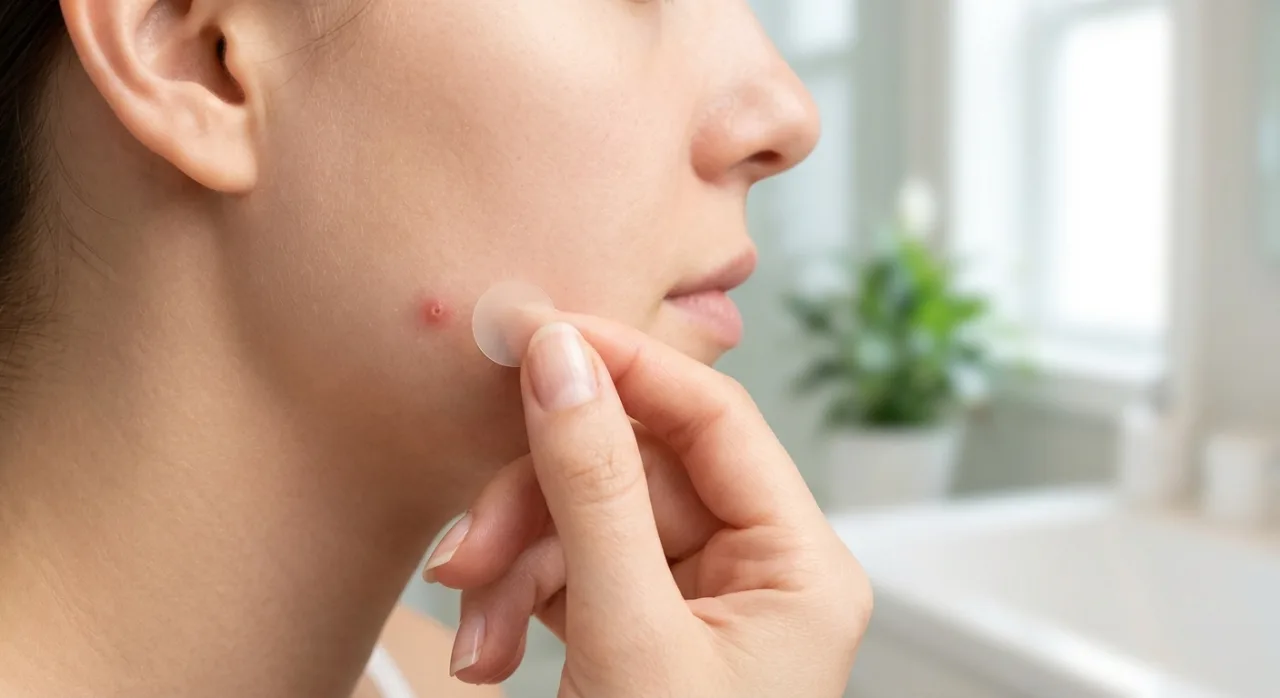
Squeezing or popping pimples forces bacteria, pus, and debris deeper into dermal layers, turning localized clogged pores into painful cysts. It also damages surrounding healthy tissue, leading to post-inflammatory hyperpigmentation (PIH) and permanent textural scars.
[ Blemish Appears ] ──► [ Picking / Popping ] ──► [ Deep Tissue Inflammation ] ──► [ Permanent Scarring / Dark Spots ]
Better Solutions for Breakouts:
-
Hydrocolloid Pimple Patches: Cover active blemishes to absorb fluid, accelerate sterile healing, and prevent physical touching.
-
Fade Dark Marks Safely: Use gentle brighteners like niacinamide, azelaic acid, and vitamin C combined with daily sunscreen instead of harsh scrubbing.
-
Professional Care: For persistent or cystic breakouts, seeking a professional evaluation for targeted acne treatment provides safe, prescription-grade results without scarring.
5. Inconsistent Product Usage & Rapid Routine Changes
Skin cell turnover takes approximately 28 to 40 days. Active ingredients like retinoids, peptides, and niacinamide require at least 6 to 8 weeks of consistent use before visible results appear. Frequently swapping products prevents accurate evaluation and subjects skin to constant readjustment stress.
Purging vs. Allergic Reaction
-
Skin Purging: Active ingredients accelerate cell turnover, bringing existing micro-comedones to the surface rapidly in areas where you usually break out.
-
Adverse Reaction: Manifests as tiny, itchy bumps, redness, or dryness in areas where you rarely break out.
Routine Rule: Introduce new products one at a time, spaced two weeks apart. Stick to a simple core routine (cleanser, moisturizer, sunscreen) for at least two months before evaluating performance.
6. Neglecting the Neck, Décolletage, and Eyes
The skin on your neck, chest, and eye contours is significantly thinner, drier, and has fewer oil glands than facial skin, making these zones highly vulnerable to premature aging.
-
Neck & Chest: Unprotected exposure leads to deep horizontal lines, sagging, and mottled hyperpigmentation. Extend all cleansers, serums, moisturizers, and sunscreens downward using gentle upward motions.
-
Eye Contour: Tugging or rubbing during makeup removal ruptures fragile capillaries and stretches thin tissues. Pat eye creams along the orbital bone using your ring finger for minimal physical traction.
Conclusion
Improving your skin health begins with eliminating habits that compromise its natural barrier. By avoiding over-cleansing, moderating exfoliation, wearing daily broad-spectrum sunscreen, avoiding picking at blemishes, and remaining consistent with a minimalist routine, you empower your skin to protect and repair itself effectively.