
A long road trip gives you the freedom to travel at your own pace, whether you are heading to the coast for a weekend or driving farther to visit family. Hours on the road still put extra strain on a vehicle, especially if it has not been checked properly. A little preparation makes the journey more comfortable and helps you avoid problems that were preventable at the driveway.
Fluids, lights and a cold-engine check
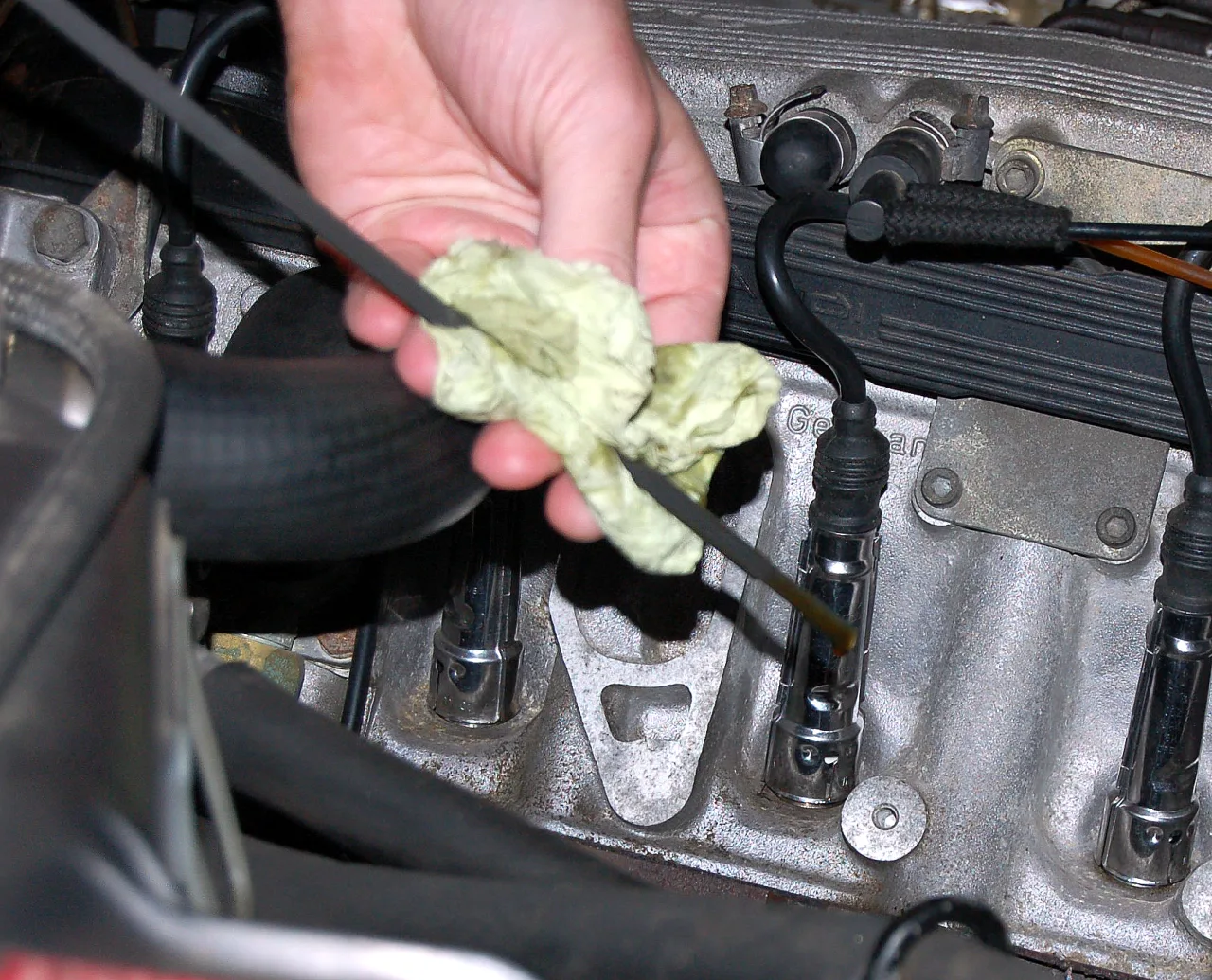
Begin with the engine oil. Park on level ground, switch the engine off and let it cool before you use the dipstick. If the level falls below the recommended mark, top it up with the grade specified in the vehicle handbook. Check the coolant when the engine is cold as well. Coolant helps regulate temperature on long climbs and in slow traffic, and it is worth looking at the brake fluid and windscreen washer bottle while you are there.
Lights and wipers need the same attention. Ask someone to watch the headlights, brake lights and indicators while you operate the controls. Replace worn wiper blades if they leave streaks or struggle to clear water. Those checks help you see and be seen, which matters more than it sounds after dark or in rain.
Tyres, load and an emergency kit
Check the pressure in all four tyres against the manufacturer’s recommended figures, which you can usually find in the handbook or inside the driver’s door. Use a reliable gauge and check the tyres when they are cold. Inspect the tread for uneven wear, cuts, cracks and embedded objects. Legal minimum tread depth varies by country; in the United Kingdom, for example, cars must have at least 1.6 mm across the central three-quarters of each tyre, around the whole circumference. Replacing tyres before they reach the legal limit can still give better grip on wet roads.
If the route includes rough, muddy or poorly surfaced roads, there is more to think about than a highway fluid check, including how to get a truck ready for mud, rain, and rough terrain. Even on ordinary roads, avoid overloading the car. Heavy or poorly packed luggage can affect handling, braking and fuel use, so spread the weight and secure loose items in the boot, keeping the rear window clear.
Keep a small emergency kit in the vehicle. A warning triangle where it is required or useful, a high-visibility jacket, a torch, a first-aid kit, a portable phone charger, drinking water and a few non-perishable snacks will make an unexpected delay much easier to manage. Public preparedness guidance, including material from Ready.gov, is a useful reminder of what to pack.
Documents and a last look before you leave
Before you set off, confirm that the car’s registration, insurance and any required inspection or road-tax documents are current, and that you have breakdown-provider details to hand, either on your phone or as a printed copy. If you plan to drive abroad, check whether your policy covers the countries on the route and whether you need extra documents. A well-prepared car will not remove every risk on a long journey, but it does let you spend less time worrying about avoidable problems and more time on the road you actually meant to enjoy.